
Red Light Therapy Mask Benefits, Results & Side Effects
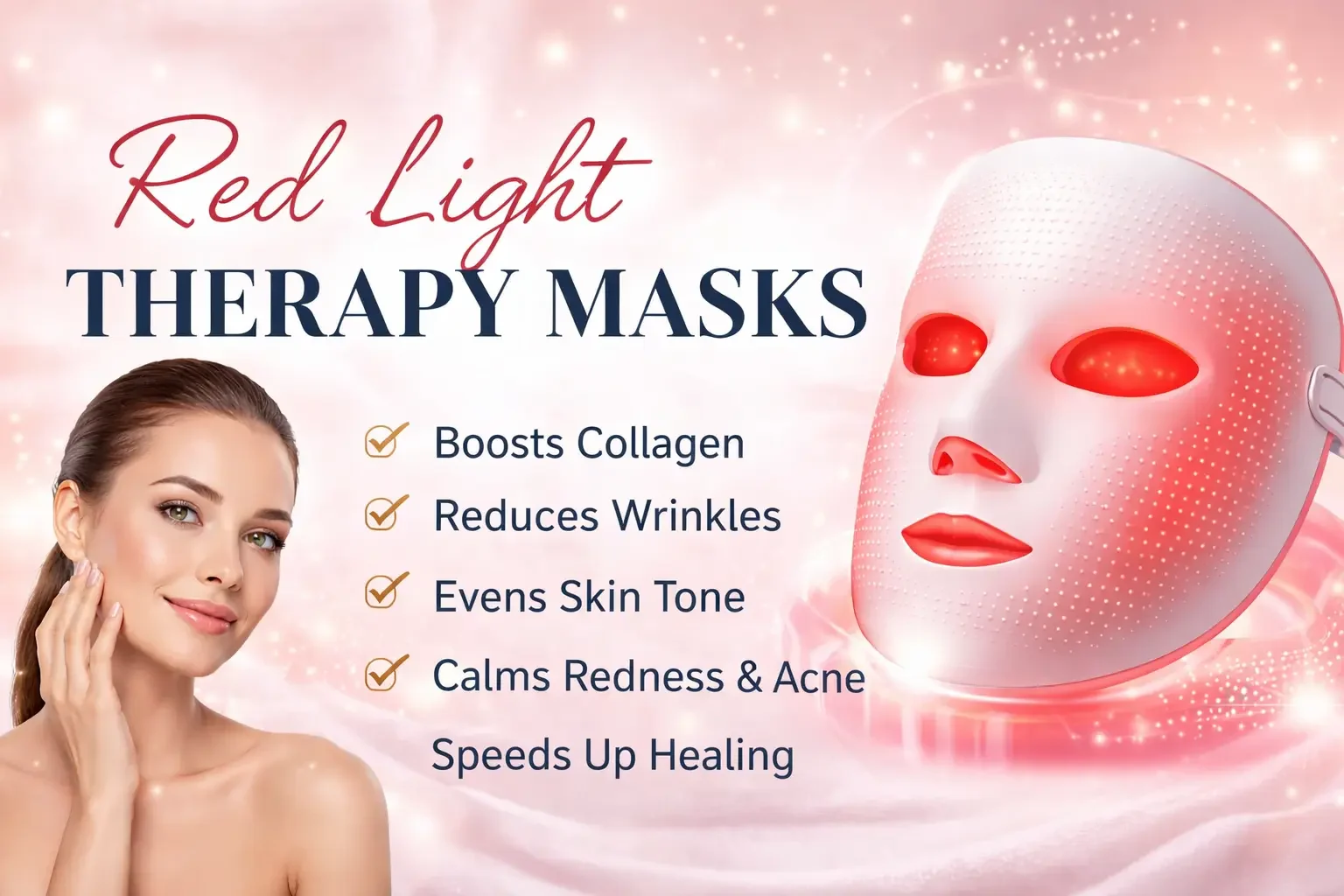
Let’s be real. My skincare journey has seen it all. From Pinterest-inspired DIY disasters to splurging on creams that promised the moon, I was stuck chasing that elusive “glow.” Then I kept seeing these futuristic, glowing masks everywhere on Instagram, in wellness blogs, and whispered about as a celebrity secret. It’s called red light therapy, and I was equal parts intrigued and skeptical.
So, I dove in. After weeks of research and comparison, I finally tried a red light therapy mask myself. This is my real experience, what worked, what surprised me, and what I wish I’d known earlier. If you’re wondering what these masks actually do and whether they’re worth the hype, you’re in the right place.
✨ What Is Red Light Therapy, Anyway?
First, let’s demystify the science in simple terms. Red light therapy (RLT), also called low-level laser therapy (LLLT) or photobiomodulation, is a treatment that uses specific wavelengths of red and near-infrared light.
Think of it like photosynthesis for your skin cells. The light energy is absorbed by your cells’ mitochondria (their little power plants), giving them a boost to produce more cellular energy (ATP). This supercharged cell activity then kicks off a cascade of benefits, including increased collagen production, reduced inflammation, and faster healing.
The red light therapy mask brings this technology home. It’s a flexible, wearable device you pop on for 10 to 20 minutes a day, letting the LEDs do their work. It’s non-invasive, painless, and feels oddly relaxing.
🔬 What Are the Real Benefits of a Red Light Therapy Mask?
Collagen Boost for Smoother Skin Increased collagen may help soften fine lines over time. Results are gradual, but skin can feel plumper and more resilient with consistency.
The Glow Is Real Improved circulation supports a more even skin tone and natural radiance while helping reduce dullness and post-acne marks.
A Soothing Aid for Problem Skin Red light therapy can calm redness, soothe rosacea, and support acne-prone or reactive skin types.
Faster Healing and Reduced Scarring Red light may support skin repair and help minimize the appearance of scars after minor irritation.
A Moment of “You” Time Wearing the mask for about 10 minutes encourages calm, screen-free time and feels like a quiet reset.
🧴 How to Use Your Mask for the Best Results
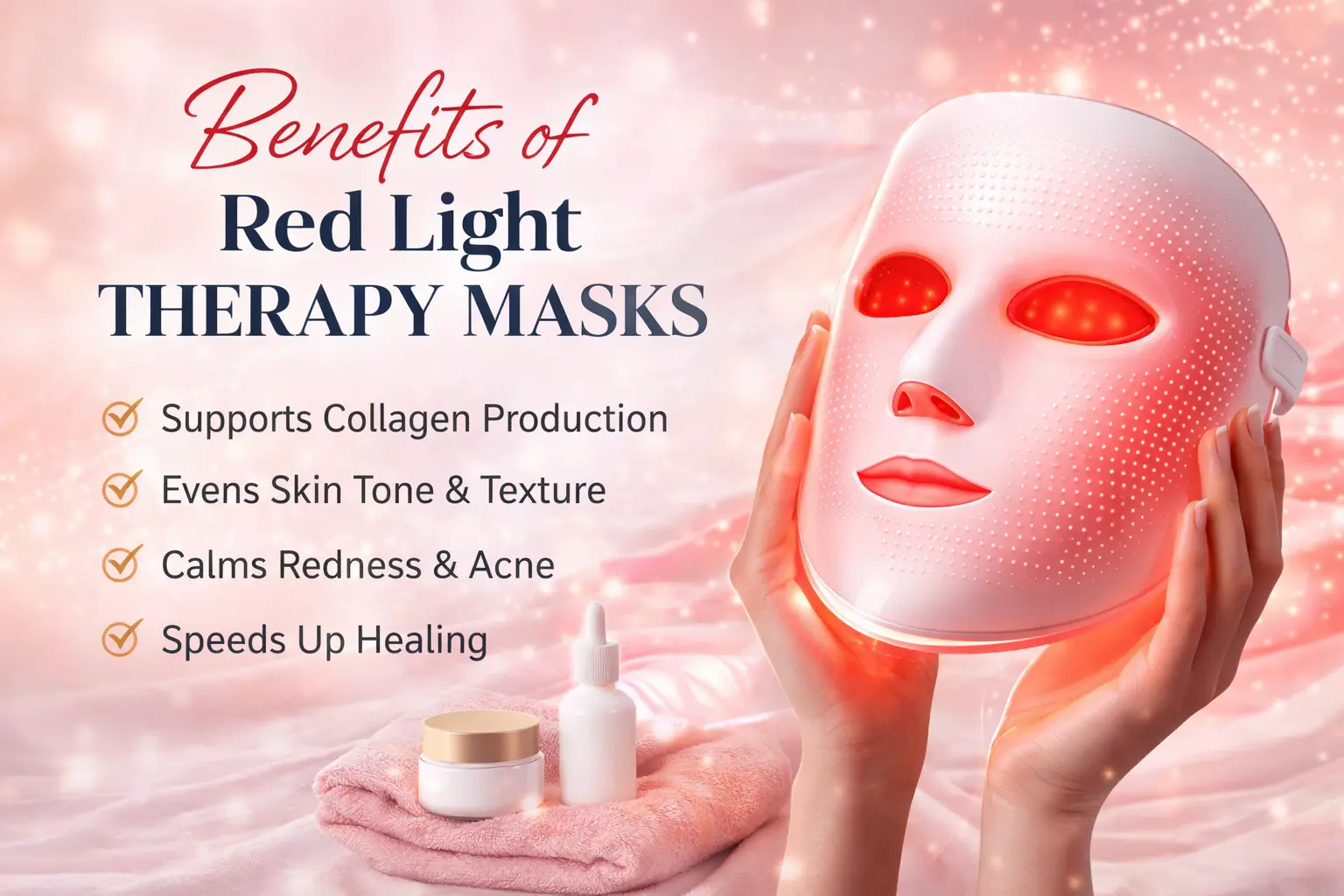
Getting the protocol right is half the battle. It’s not complicated, but doing it correctly maximizes your investment. Always start with clean, dry skin. No serums, oils, or makeup, as they can block the light. Pop on the mask, use the protective goggles, and relax for your session (typically 10 minutes). Afterward, your skin is in a prime state for absorption, so follow up immediately with your skincare. I apply a hydrating serum and moisturizer right after, and my products seem to work even better. Remember, consistency is the real secret weapon here.
⏳ Setting Realistic Expectations & Seeing Results
Let’s manage expectations. This is not a magic wand.
Timeline for Results: Don’t expect a transformation after two uses. Most studies and user reports show noticeable results after consistent use for 4-8 weeks. I started seeing a subtle improvement in overall tone and texture around the 3-week mark.
Consistency is King: Using it 3-5 times per week for 10 minutes is far better than a 30-minute session once a week. I made it part of my evening wind-down routine.
It’s a Complement, Not a Replacement: A red light mask works best alongside a solid skincare routine (cleanser, moisturizer, SPF!) and a healthy lifestyle. It’s a powerful teammate, not a solo player.
🛒 Navigating the Purchase: Features, Price, and What to Look For
Wavelengths That Matter Look for red light in the 630–660 nm range and near-infrared light around 810–850 nm. These ranges are the most studied for skin benefits.
LED Count and Coverage More LEDs are not always better. What matters most is even facial coverage. Many quality masks use around 100–150 LEDs.
Comfort and Fit flexible silicone design that contours to your face improves comfort and makes regular use easier.
Safety Certifications Always check for FDA clearance or CE marking to ensure the device meets basic safety standards.
Price Reality Check Entry-level masks usually cost $150–$300. Premium models often range from $350–$600 with added research or design refinements.
🔍 Decoding the Brand Maze: What’s the Actual Difference?
With so many names, it’s hard to know what you’re paying for. After my deep dive, I learned that medical-grade devices like Omnilux and CurrentBody have strong clinical studies directly backing their specific mask designs and wavelengths, which justifies the higher price for many. Mid-range options can be great but scrutinize their specs. The super-budget Amazon finds often use cheaper, less effective LEDs and may not have the right wavelengths or safety certifications. Reading reviews that mention “red light therapy mask before and after 3 months” can be more telling than initial reactions. Ultimately, you’re investing in the quality of light and the research behind it.
⚠️ Potential Side Effects & Who Should Be Cautious
Minimal Side Effects
- Temporary dryness
- Mild redness
- Slight skin tenderness
Eye Safety
- Avoid direct eye exposure
- Use protective goggles
- Consult a doctor if needed
Who Should Avoid It
- Photosensitive conditions
- Pregnancy
- History of skin cancer
👤 Is a Red Light Therapy Mask Right for You?
👍 Who Is This For?
- The Commitment-Keeper who will use it 3–5 times a week
- The Early Action Taker addressing fine lines, dullness, or post-acne marks
- The Soothing Seeker focused on calming redness or reactive skin
- The Tech-Loving Enthusiast who trusts science-backed skincare tools
- The Ritual Lover who enjoys 10 minutes of quiet self-care
👎 Who Should Skip It?
- The Instant Results Crowd expecting overnight transformation
- The Inconsistent with an already irregular routine
- Medical Condition Holders without dermatologist approval
- The Budget-Conscious uncomfortable with the upfront cost
- The Solo Miracle Seeker expecting it to replace all skincare
🏁 My Final Verdict: Is a Red Light Therapy Mask Worth It?
So, was it worth it for me? Yes. But with caveats.
It’s an investment—in money and in routine. If you’re looking for an overnight miracle, save your cash. But if you’re a skincare enthusiast looking for a science-backed tool to enhance your routine, promote healing, and chase that long-term glow, it’s a fascinating and effective addition.
It gave me more than just potential collagen. It gave me 10 minutes of quiet self-care in a chaotic day, and that in itself feels pretty radiant.
Thinking of taking the plunge? Do your research, choose a reputable brand that fits your budget, and most importantly, commit to using it. Your future, glowier skin might just thank you.
Disclaimer: I am not a medical professional. This blog is based on my personal experience and research. Always consult with a dermatologist or healthcare provider before starting any new treatment, especially if you have underlying health conditions.
📋 Final Verdict & Rating
For consistent users, it delivers a gradual glow, improved texture, and calming effects.
Simple, painless, and easy to fit into an evening routine.
A high upfront cost; regular long-term use is needed to justify the investment.
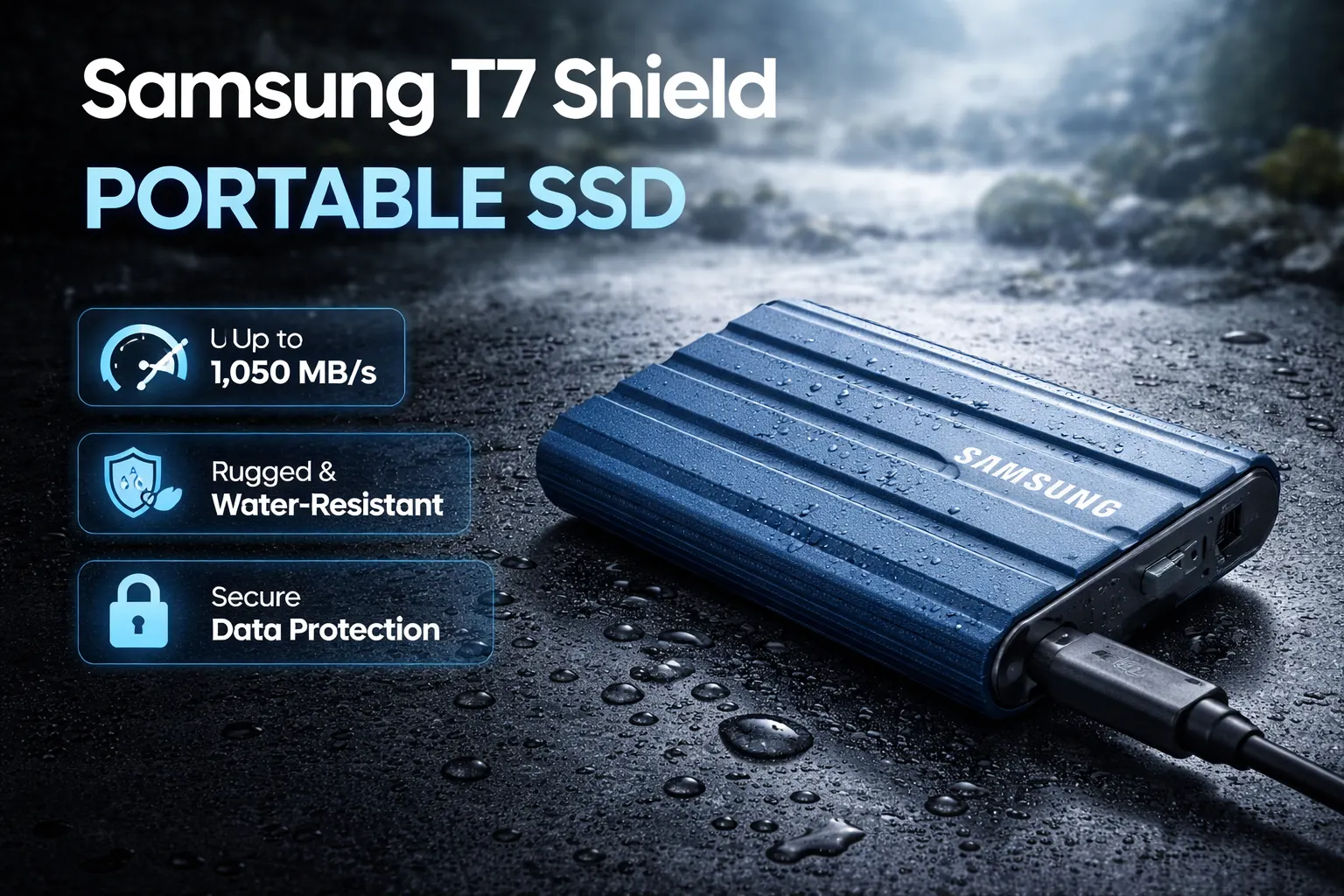
Samsung T7 Shield Portable SSD Review: Worth the Price?
Right out of the box, the Samsung T7 Shield feels different. The rubberized textured coating inspires confidence, yet it stays slim and light. The Titan Gray finish looks professional, and bundled USB-C to C and USB-C to A cables make setup effortless.
👉 Read Full ReviewFAQs Red Light Therapy Mask
4 to 8 weeks with consistent use (3-5x per week). It’s a gradual improvement, not instant.
For long-term maintenance and gradual results, yes. Professional treatments are more powerful for faster, dramatic results, but high-quality home masks use the same proven technology for collagen and redness.
Look for an FDA-cleared mask with both red (630-660nm) and near-infrared (810-850nm) light from brands like Omnilux or CurrentBody. Wavelengths matter more than LED count.
Yes—and it’s great. Use the mask on clean, bare skin, then apply your serums after. The light may boost your skin’s absorption of these actives.